
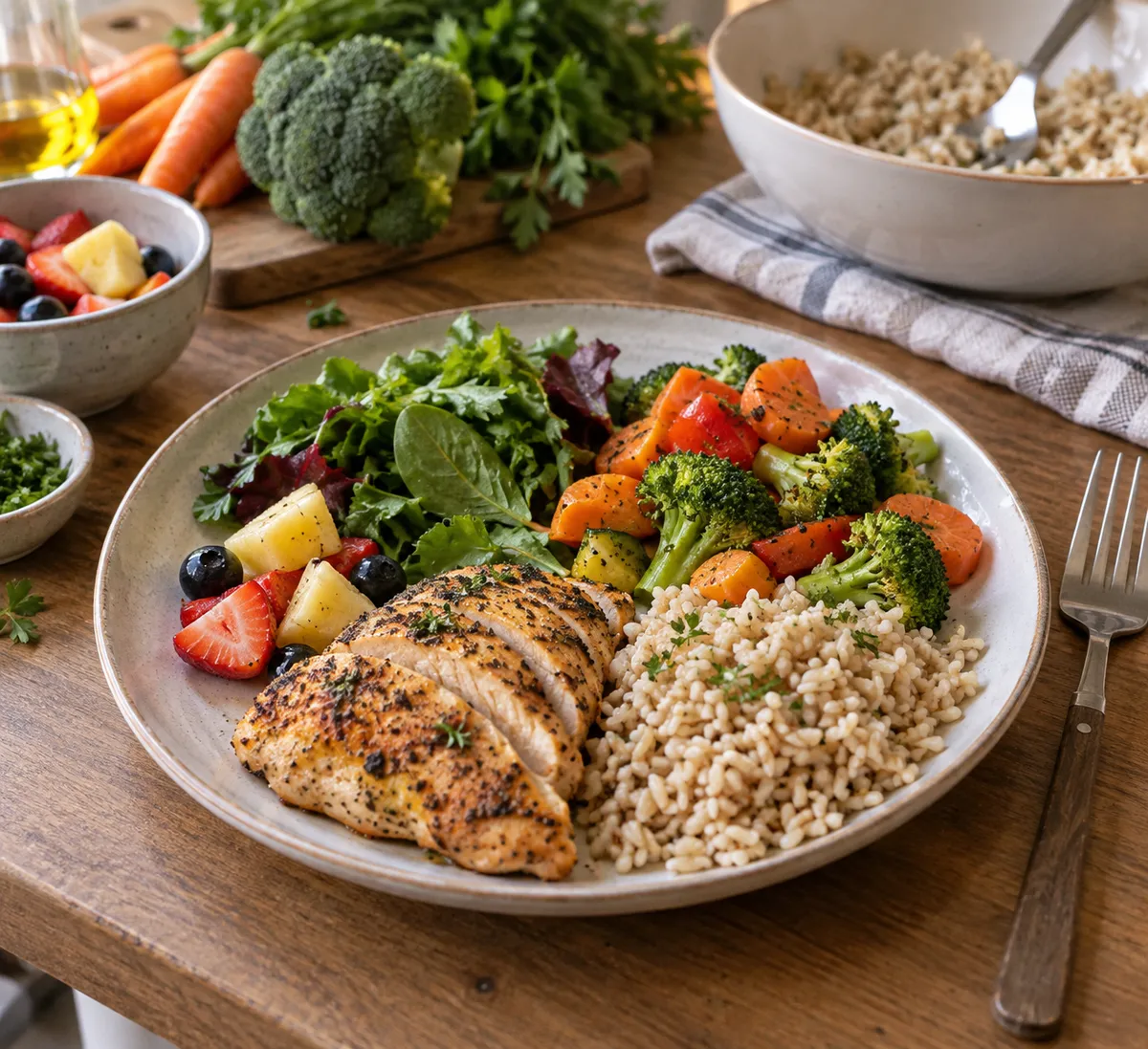
Robert F. Kennedy Jr. and Dr. Mehmet Oz say 250 U.S. hospitals have joined a voluntary federal pledge, the Make Hospital Food Healthier Pledge, to improve the nutrition of the meals they serve. In an op-ed reported by Fox News, the two argue that hospital food should support healing. The stated goals include cutting processed food and added sugar from patient meals and leaning toward whole, minimally processed foods.
You may never eat a hospital tray by choice. But the idea behind the pledge is useful at home, whether you're feeding someone recovering from an illness, cooking for an older relative, or just trying to put fewer packaged foods on the table. Here's how to apply it.
What the pledge actually is
Per the Fox News report, the pledge is voluntary, not a government mandate. Kennedy and Oz frame hospitals as powerful buyers: if enough of them change what they purchase, suppliers may follow with more whole and minimally processed options. Federal leaders tie food quality to chronic disease, recovery and healthcare costs, as part of the "Make America Healthy Again" movement.
The reporting doesn't spell out specific menu standards, deadlines or enforcement, so I won't guess at them. Whether a voluntary approach is enough, or whether rules would work better, is an open debate. What's clear is the direction: fewer processed foods, less added sugar.
The kitchen takeaway: shift one meal toward whole foods
You don't need to overhaul your pantry. Pick one meal you make often and swap its most processed part. A few realistic examples:
- Breakfast: Replace flavored instant oatmeal packets with plain rolled oats. Cook 1/2 cup oats in 1 cup water or milk for about 5 minutes, then stir in sliced banana or a handful of berries and a pinch of cinnamon.
- Lunch: Swap canned soup with a long ingredient list for a simple homemade one (see below).
- Snack: Trade sweetened yogurt for plain yogurt with fruit. Start with 3/4 cup yogurt and 1/2 cup fruit, and you control the sugar.
A recovery-friendly bowl in about 25 minutes
This is a gentle, whole-food meal that works for a sick day, a tired weeknight, or someone with a small appetite. It serves two.
What you need
- 1 tablespoon olive oil
- 1 carrot, diced
- 1 celery stalk, diced
- 1/2 small onion, diced
- 2 garlic cloves, minced
- 4 cups low-sodium broth
- 1 cup shredded cooked chicken (rotisserie works)
- 1/2 cup small pasta or rice
- Salt, pepper, and lemon juice to finish
Steps
- Warm the oil in a pot over medium heat. Add carrot, celery and onion with a pinch of salt. Cook 5 minutes until softened.
- Add garlic and stir for 30 seconds.
- Pour in the broth and bring to a simmer.
- Add the pasta or rice and cook until tender, about 8 to 10 minutes for most small pasta (check your package, since rice takes longer).
- Stir in the chicken and heat through, 2 minutes.
- Finish with a squeeze of lemon and black pepper. Taste before adding more salt.
Total time: roughly 25 minutes. Using low-sodium broth lets you season to taste rather than inherit whatever a can decided.
How to read a label like a purchasing manager
The pledge's logic is about buying decisions, and you make those every week. Two quick checks help:
- Added sugars line: The Nutrition Facts label lists added sugars separately from natural sugars. Compare two products side by side and pick the lower one.
- Ingredient list length: A short list of recognizable foods is usually a sign of less processing. It isn't a perfect rule, but it's a fast filter in the grocery aisle.
Plain versions of yogurt, oats, nut butter, canned beans and tomato sauce are easy places to start, since the flavored versions often add sugar.
Build a better plate for someone recovering
If you're cooking for a person who's healing, think in simple building blocks rather than a strict plan. For specific medical needs, follow the guidance of their care team, since dietary restrictions vary by condition.
- A protein: eggs, beans, chicken, fish, tofu or yogurt
- A colorful vegetable: soft-cooked carrots, spinach wilted into soup, roasted squash
- A whole-food carbohydrate: oats, brown rice, potatoes, whole-grain bread
- Something easy to sip: water, broth or unsweetened tea
Soft textures and mild seasoning tend to go over better when appetite is low. Make small portions that look inviting rather than a big plate that feels like a chore.
Make-ahead moves that save the week
Healthy eating tends to fail on busy nights, so cook once and eat twice:
- Roast a sheet pan of vegetables at 425°F for 20 to 25 minutes and use them in bowls, omelets and soups for three days.
- Cook a pot of rice or oats on Sunday. Refrigerate in airtight containers and reheat with a splash of water.
- Freeze leftover soup in single-serving containers so a ready meal is always on hand.
The point to carry with you
Hospitals are being asked to treat meals as part of care, and your kitchen can do the same. This week, choose one packaged food you buy regularly, find its plain, lower-sugar counterpart, and make that swap.