
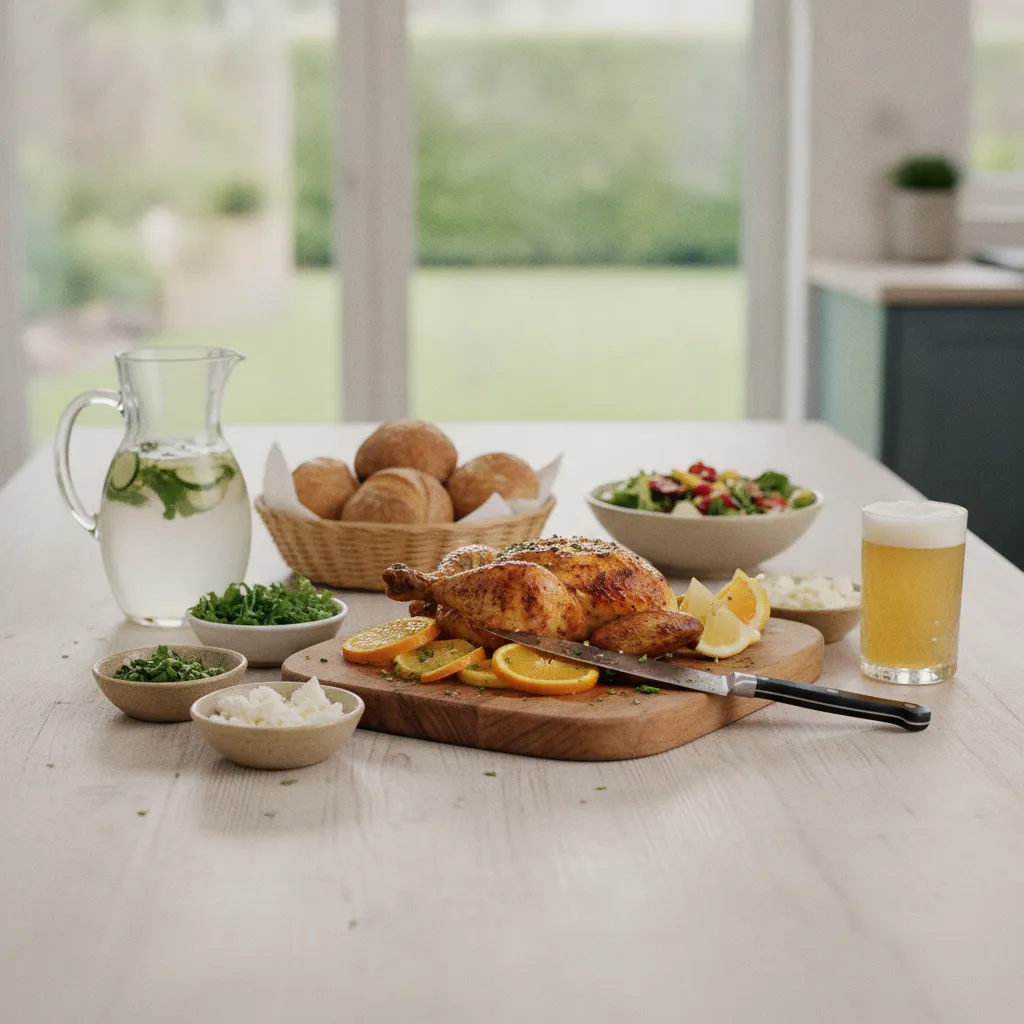
Southern food has a reputation for being heavy. Texas chef and restaurateur Tiffany Derry pushes back on that. As Fox News reported, she describes traditional Southern cooking as fresh, colorful, and built on simple, wholesome ingredients, with vegetables playing a big role.
That's a useful idea to cook with. Below is a practical way to put it to work on a weeknight: a vegetable-forward Southern-style skillet supper that takes about 35 minutes. It's my own home-cook interpretation of the approach, not a recipe from Derry.
What Derry's Point Means for Your Kitchen
The takeaway from Derry's perspective, per Fox News, is that the South's food traditions lean on wholesome ingredients, colorful vegetables, and simple preparation. Translated into cooking habits:
- Start with the vegetable, not the side dish afterthought.
- Keep the number of ingredients low and let each one taste like itself.
- Use color as your guide. If the plate looks beige, add something green, red, or yellow.
That's the lens for everything below.
The Recipe: Skillet Greens, Corn, and Tomatoes
Serves: 4 as a main with rice or cornbread, 6 as a side Time: 10 minutes prep, 25 minutes cooking
Ingredients
- 2 tablespoons olive oil or bacon drippings
- 1 medium yellow onion, diced (about 1 cup)
- 3 garlic cloves, minced
- 1 large bunch collard greens or Swiss chard (about 1 pound), stems removed, leaves sliced into ribbons
- 3 ears fresh corn, kernels cut off (about 2 cups), or 2 cups frozen
- 2 cups cherry tomatoes, halved, or 2 large ripe tomatoes, chopped
- 1/2 cup chicken or vegetable broth
- 1 tablespoon apple cider vinegar
- 3/4 teaspoon salt, plus more to taste
- 1/2 teaspoon black pepper
- Pinch of red pepper flakes (optional)
Steps
- Soften the onion. Heat the oil in a large, deep skillet over medium heat. Add the onion and a pinch of salt. Cook 4 to 5 minutes, stirring, until soft and translucent.
- Add garlic. Stir in the garlic and red pepper flakes for 30 seconds, until fragrant.
- Wilt the greens. Add the greens in handfuls, stirring as each batch shrinks. Pour in the broth, cover, and cook 8 to 10 minutes. Collards need the longer time; chard needs closer to 5.
- Add the corn. Uncover, stir in the corn, and cook 4 minutes until it's bright and just tender.
- Finish with tomatoes. Add the tomatoes, salt, and pepper. Cook 3 to 4 minutes, just until they start to soften but still hold their shape.
- Brighten it. Off the heat, stir in the vinegar. Taste and adjust salt.
Why This Approach Works
Acid keeps greens lively
A splash of vinegar at the end sharpens the flavor of the greens and makes the dish taste lighter. Add it off the heat so the flavor stays fresh.
Stagger the vegetables
Greens need the longest, corn needs a few minutes, and tomatoes need the least. Adding them in that order keeps every texture distinct instead of turning everything to mush. This is the single biggest skill in the recipe.
Use fat as seasoning, not the base
Two tablespoons of oil or drippings for a full pound of greens is enough to carry flavor. Bacon drippings give a smoky depth if you have them; olive oil keeps it vegetarian-friendly.
Easy Variations
- Add protein: Stir in 1 pound of sliced smoked sausage or a drained can of black-eyed peas (15 ounces) in step 4.
- Swap the season: In cooler months, use sweet potato cubes (1 inch, added with the broth) and skip the tomatoes and fresh corn.
- Make it a meal: Spoon over rice or serve with a wedge of cornbread to soak up the juices.
Shopping and Storage Tips
- Choose greens with firm, deep-colored leaves and no yellowing.
- Wash greens in a sink of cold water, since grit settles at the bottom. Lift them out rather than pouring the water off.
- Leftovers keep in the refrigerator for up to 4 days. Reheat gently in a skillet with a spoonful of water.
The Takeaway
Next time you plan dinner, build it around the vegetables first and add only what makes them taste better. That's the heart of Derry's argument about Southern cooking, and it happens to make a very good weeknight meal.