You don't need a perfect pantry to eat well. You need to know which items in your cart are ultra-processed, and a few easy swaps for the ones you reach for most. That's the practical takeaway from recent coverage in Women's Health, which reports on new research linking higher intake of ultra-processed foods (UPFs) to elevated markers of inflammation.
Those inflammation markers are associated with risks like cardiovascular disease, diabetes, and cancer, per Women's Health. The experts quoted there don't push perfection. They push small, doable changes. This guide follows that spirit.
What the research says, in plain terms
According to Women's Health, people who eat more ultra-processed food tend to show higher levels of inflammation markers. Those markers matter because inflammation is increasingly tied to chronic disease.
A few honest caveats from us, not the researchers: a link between two things isn't proof that one causes the other, and one study doesn't settle the question. But the practical advice, eating more whole foods and fewer heavily processed ones, is easy to act on whatever the final science says.
How to tell if something is ultra-processed
Women's Health breaks down what counts as a UPF. Rather than restating a technical definition, here is a practical way to use the idea at the store:
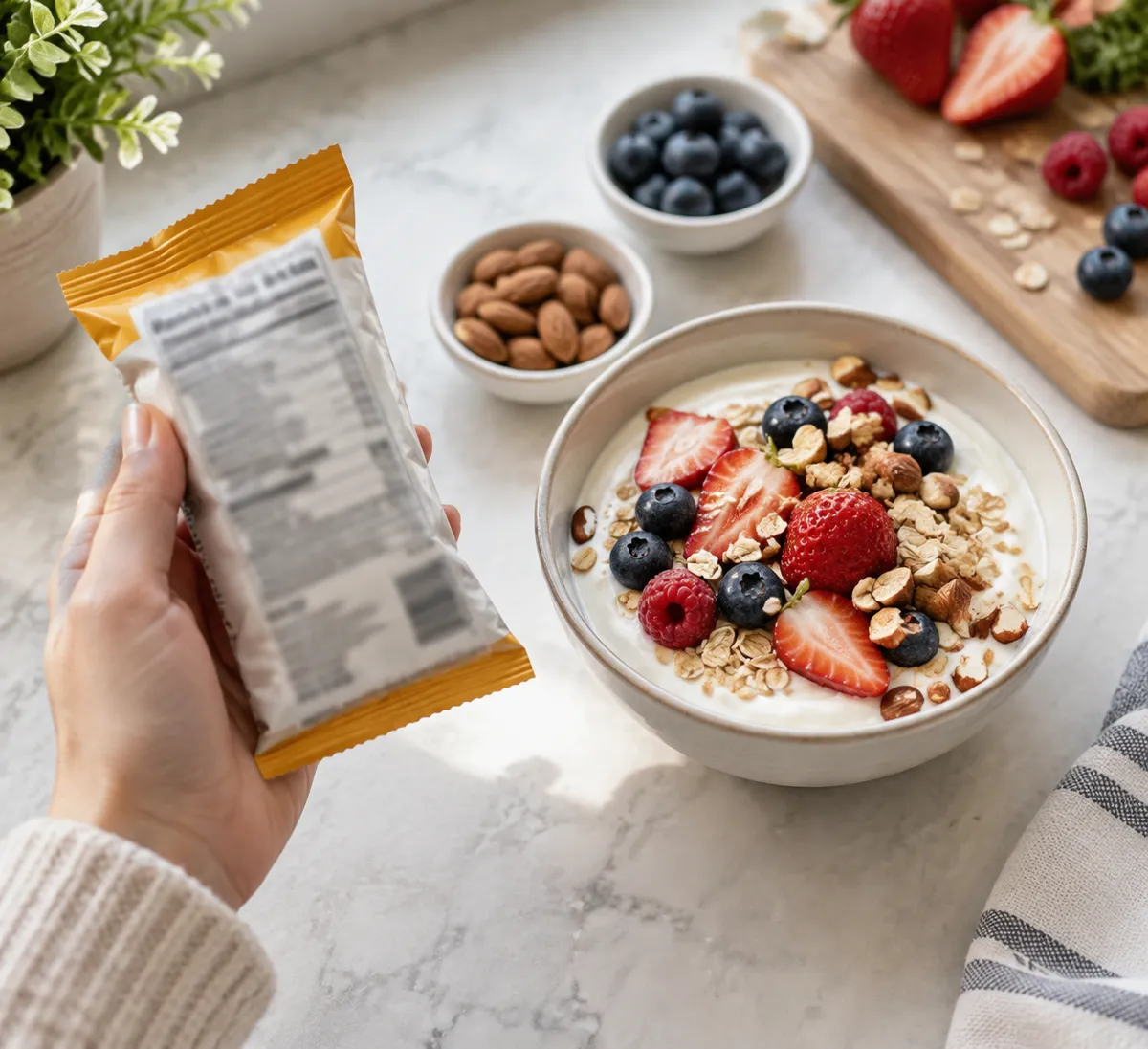
- Flip the package over. Read the ingredient list, not the front label.
- Look for ingredients you wouldn't keep in your own kitchen. If the list reads more like a chemistry set than a recipe, it's likely ultra-processed.
- Compare two versions of the same product. Choose the one with the shorter, more familiar list.
- Don't trust health claims on the front. "High protein" or "low fat" tells you little about how processed something is.
This is a rule of thumb, not a lab test. Use it to sort, not to stress.
Start with the foods you eat most
Swapping something you eat daily does more than perfecting something you eat once a month. Pick one or two habits and upgrade those first.
Breakfast
If you eat sweetened packaged cereal or flavored instant oatmeal, try plain rolled oats. Cook 1/2 cup oats with 1 cup water or milk for about 5 minutes, then stir in fruit and a pinch of cinnamon. Total time: under 10 minutes.
Snacks
Swap packaged snack bars or chips for a handful of nuts with a piece of fruit, or plain popcorn kernels popped on the stove. For stovetop popcorn, heat 1 tablespoon oil in a lidded pot with 1/3 cup kernels over medium heat, shaking now and then, for about 3 to 4 minutes.
Dinner sauces
Jarred and bottled sauces often have long ingredient lists. A fast stand-in for pasta night: warm 2 tablespoons olive oil with 2 minced garlic cloves for 1 minute, add one 28-ounce can of whole tomatoes (crushed by hand), and simmer 15 to 20 minutes with salt. Done in about 25 minutes.
Salad dressing
Shake 3 tablespoons olive oil, 1 tablespoon vinegar or lemon juice, 1 teaspoon mustard, and a pinch of salt in a jar. It takes two minutes and keeps in the fridge for about a week.
Build a low-UPF plate without losing convenience
Convenience and whole foods aren't opposites. Plenty of minimally processed shortcuts are fine:
- Canned beans and tomatoes: check that the label lists little beyond the food itself and maybe salt.
- Frozen vegetables and fruit: they cook in minutes and need no chopping.
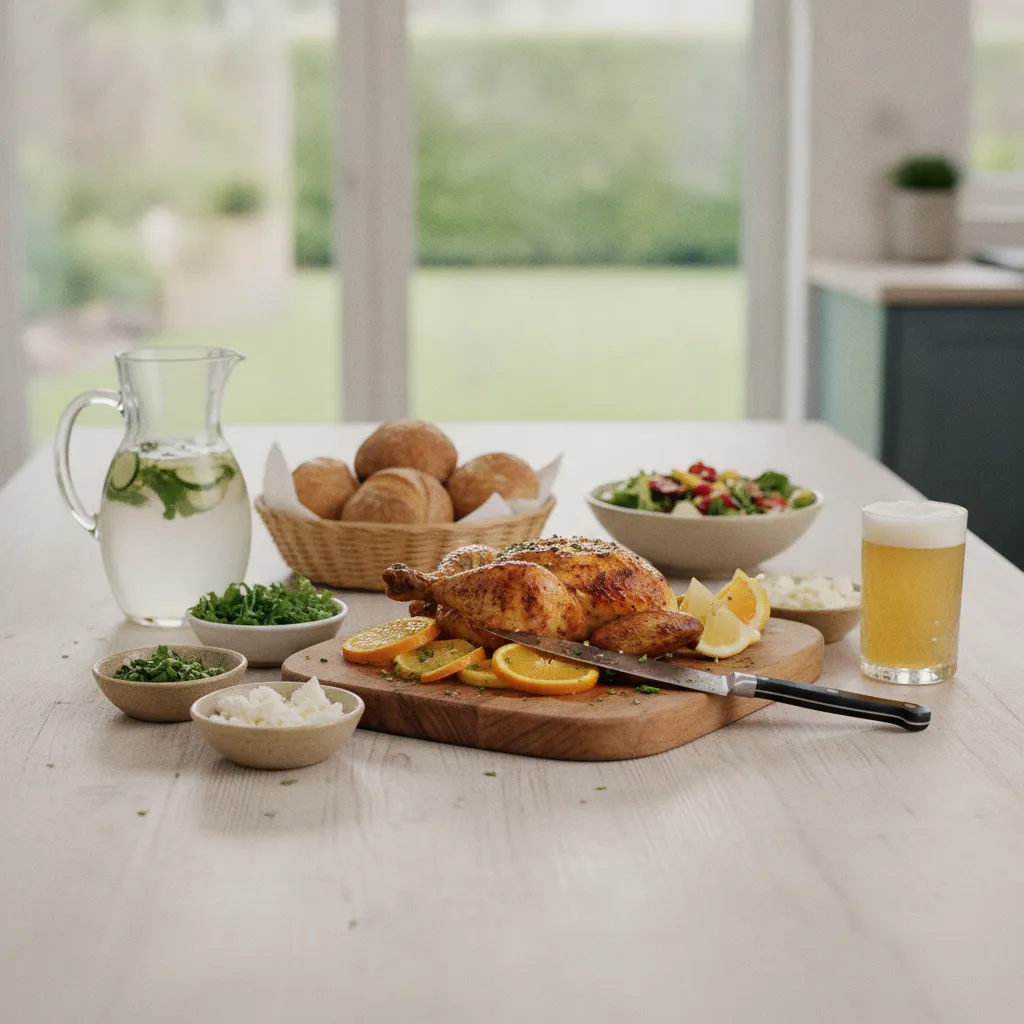
- Rotisserie chicken: shred it over grains and greens for an easy dinner.
- Plain yogurt, eggs, and oats: fast staples that need almost no prep.
A simple weeknight template: one protein, one vegetable, one grain or starch. For example, a sheet pan of frozen broccoli roasted at 425°F for 18 to 20 minutes, alongside eggs and a bowl of rice, is dinner in about 25 minutes.
Aim for progress, not perfection
The experts quoted by Women's Health stress that you don't have to eliminate UPFs entirely. That's good news, because an all-or-nothing approach is hard to keep up. Treat it like a ratio: more real food most of the time, with room for the packaged things you actually love.
Your next step
On your next grocery run, pick one packaged item you buy every week, read its ingredient list, and find a simpler version of it. Make that one swap stick, then choose another.